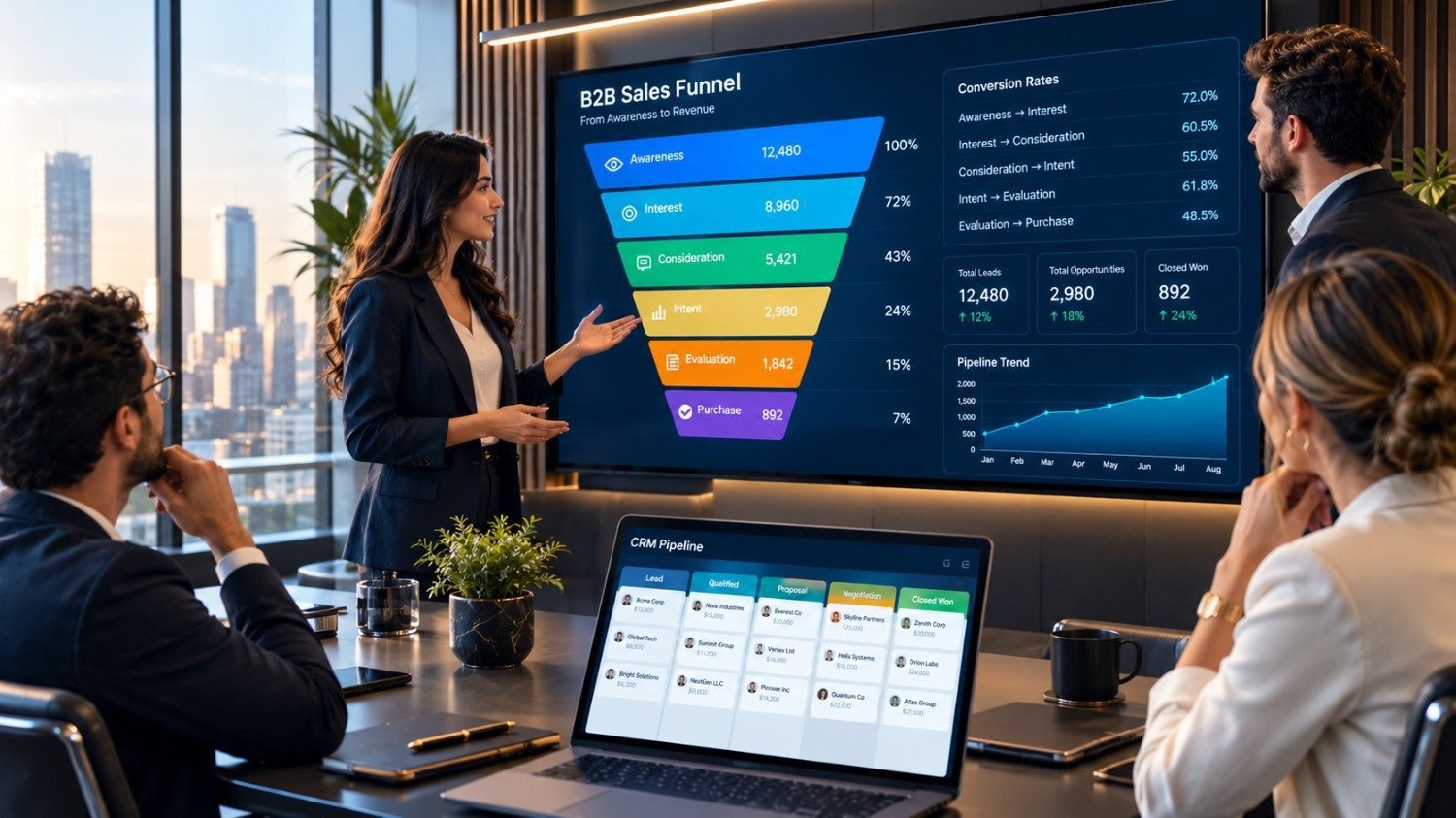
A B2B lead generation funnel moves strangers from awareness to interest, evaluation, and a sales conversation. Capture visitors with useful content, nurture them with relevant follow-ups, and score them before handoff. Respond fast and keep sales and marketing aligned. Teams that do this stop chasing volume and start closing qualified deals.
What Is a B2B Lead Generation Funnel (and Why Does It Matter in 2027)?
A B2B lead generation funnel is the path a stranger takes to become a sales-qualified lead (SQL). It starts with a search or a post. It ends with a booked call with someone who can actually buy. Most websites leak badly here. Visitors read one page, leave, and never return. The funnel is how you stop that leak. Buyers also behave differently now. They research alone, compare quietly, and talk to sales late. HubSpot’s guide to lead generation funnels explains how each stage shapes the next one. Your job is to be useful at every stage before anyone talks to a human.
Here is the part most guides skip. A funnel is not a design problem or a traffic problem. It is a trust-building system.
How Does the B2B Sales Funnel Work, Step by Step?
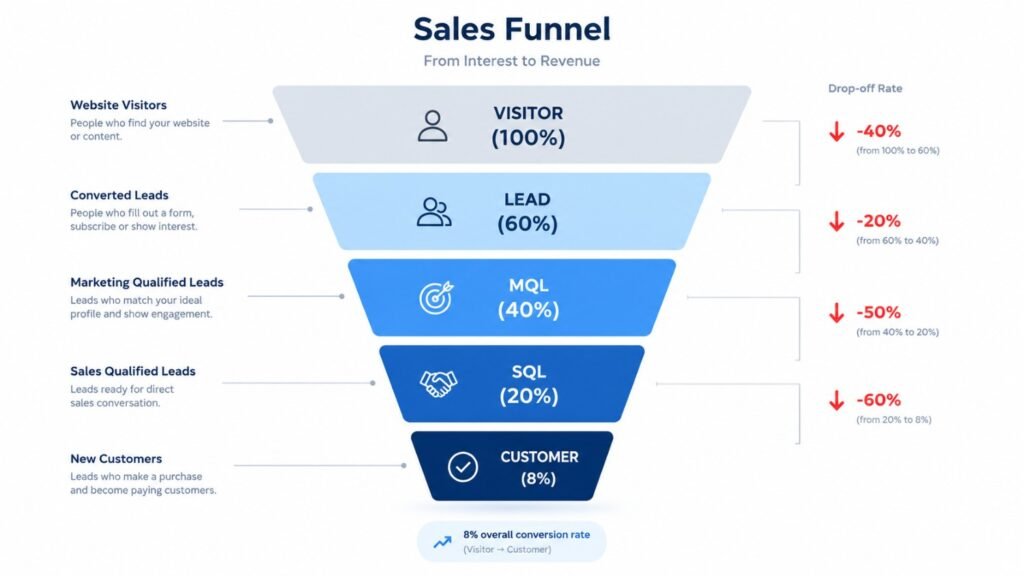
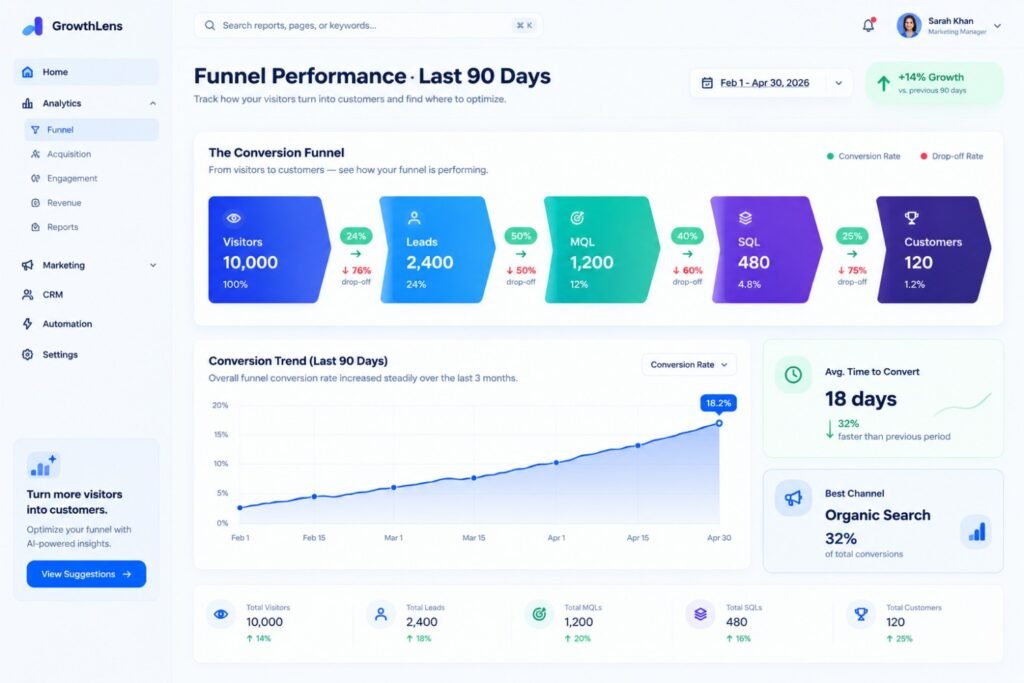
The B2B sales funnel has five working stages. Each one needs its own content, goal, and metric.
Stage 1: Awareness (Visitor)
Buyers have a problem but no solution in mind. They search things like “how to automate customer onboarding.”
Goal: Get found. Metric: Organic traffic, impressions, and engaged sessions.
Stage 2: Interest (Lead)
The visitor trades an email for something valuable. That could be a checklist, calculator, audit, or webinar.
Goal: Capture contact details. Metric: Visitor-to-lead conversion rate.
Stage 3: Consideration (Marketing-Qualified Lead)
The lead engages repeatedly. They open emails, revisit pricing, and read case studies. Marketing flags them as an MQL.
Goal: Build trust through education. Metric: Engagement score and MQL volume.
Stage 4: Evaluation (Sales-Qualified Lead)
Sales confirms budget, authority, need, and timing. Salesforce explains the sales-qualified lead concept well if you want a baseline definition.
Goal: Confirm real buying intent. Metric: MQL-to-SQL rate.
Stage 5: Decision (Customer)
Proposals, demos, and negotiations happen here.
Goal: Close and onboard. Metric: Win rate and sales cycle length.
Quick reality check: The median B2B lead-to-customer conversion rate sits around 2.9%, according to 2026 B2B sales statistics compiled by Wavecnct, which cite Martal Group. That sounds low. It also means small improvements at each stage compound fast.
What Are the Best B2B Lead Generation Strategies in 2027?
Good B2B lead generation strategies share one trait. They attract people already looking for a solution.
1. Search-Intent Content
Write for problems, not keywords alone. A CTO searching “build vs buy CRM” is closer to buying than someone searching “what is CRM.” Map each article to a funnel stage. Then link it to the next logical step. A solid SEO strategy makes this mapping repeatable instead of random.
2. Gated High-Value Assets
Not everything should be gated. Gate only what saves the reader real time or money.
- ROI calculators
- Technical audit templates
- Vendor comparison matrices
- Migration checklists
3. LinkedIn and Founder-Led Content
B2B buyers trust people more than logos. Founders and engineers sharing real lessons outperform polished brand posts. According to a 2026 lead generation statistics roundup on SHNO, 89% of B2B marketers use LinkedIn for lead generation. Competition is high. Specificity wins.
4. Retargeting and Account-Based Ads
Most visitors do not convert on the first visit. Retargeting brings them back with a relevant offer. For high-value accounts, run account-based campaigns. Pair them with a coordinated digital marketing plan so ads, email, and sales outreach tell one story.
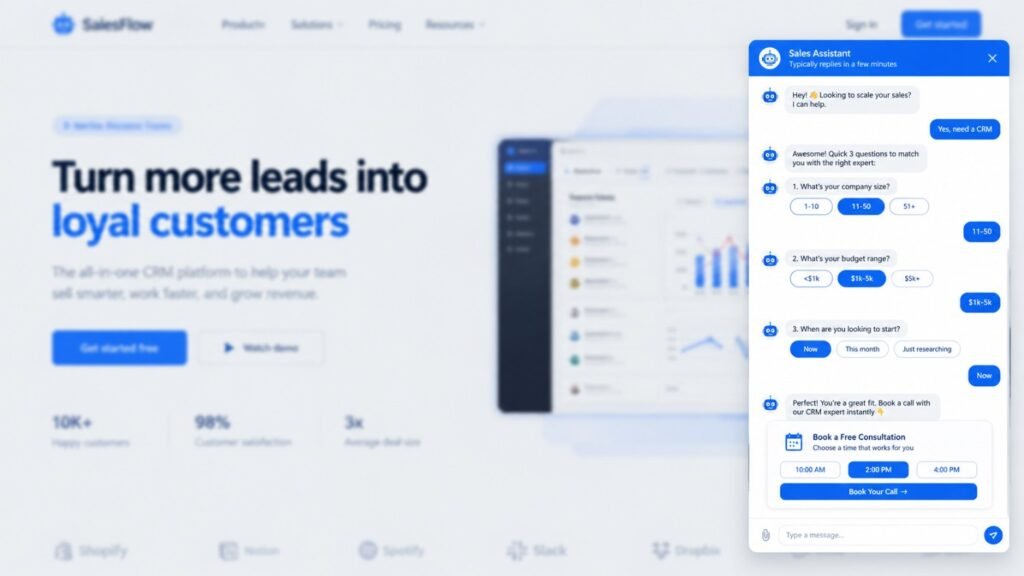
5. AI-Powered Chat and Instant Response
Speed is now a competitive weapon. The same Wavecnct report notes that the average B2B team takes about 42 hours to respond to a new lead. Only about 7% reply within five minutes.
That gap is your opportunity. AI-powered chatbot solutions can greet, qualify, and book meetings at 2 a.m.
Which B2B Lead Generation Strategy Should You Start With?
Not every channel suits every budget or team size. Use this comparison to choose.
| Strategy | Best Funnel Stage | Time to Results | Cost | Lead Quality | Best For | Start Here If… |
|---|---|---|---|---|---|---|
| SEO & Content | Awareness → Interest | 4–8 months | Medium | High | Long-term compounding growth | You can wait 6+ months for returns |
| LinkedIn Organic | Awareness → Consideration | 2–4 months | Low | Medium–High | Founder-led and service businesses | Experts will post weekly |
| Paid Search (PPC) | Interest → Evaluation | Days to weeks | High | High intent | Fast pipeline, validated offers | Your offer already converts |
| Email Nurturing | Consideration | 1–3 months | Low | High | Warming up existing leads | You have an idle list |
| AI Chatbots | Interest → Evaluation | 2–6 weeks | Low–Medium | Medium–High | Instant response, 24/7 coverage | You get traffic but slow replies |
| Webinars & Events | Consideration | 1–3 months | Medium | High | Complex, high-ticket solutions | Deals need education first |
| Cold Outreach | Awareness → Evaluation | 2–6 weeks | Medium | Variable | Targeted account lists | You have a tight target list |
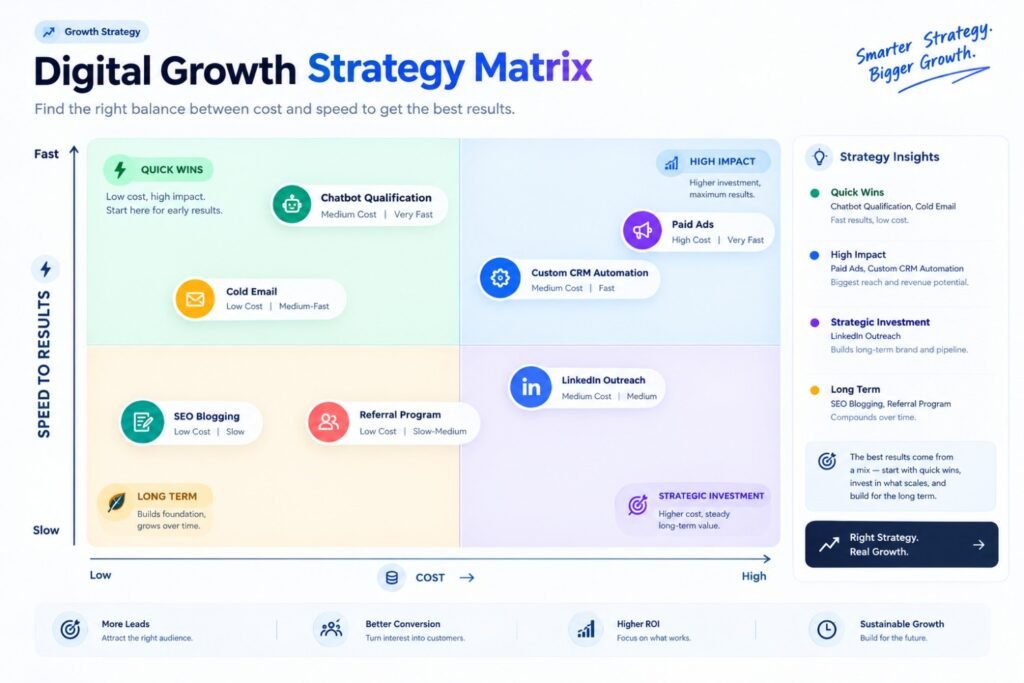
How Do You Pick Your First Two Channels?
Pick based on your situation, not on trends.
- You need leads this month. Start with paid search plus an AI chatbot. Ads bring high-intent traffic. The chatbot catches visitors the moment they land.
- Small budget, strong expertise. Start with LinkedIn organic plus email nurturing. Both are cheap and reward real knowledge.
- Building for the next two years. Start with SEO and content plus email nurturing.
- Complex, high-ticket solutions. Start with webinars plus cold outreach to a tight account list.
Pro tip: Run your first two channels for 90 days before adding a third. Judge them by cost per sales-qualified lead, not traffic or clicks.
Common mistake: Many teams start with paid ads because they feel fastest. Then they send traffic to a weak page with slow follow-up. The ads work, but the funnel leaks. Fix the page and response time first. Then scale the spend.
How Do You Capture Website Visitors Without Scaring Them Away?
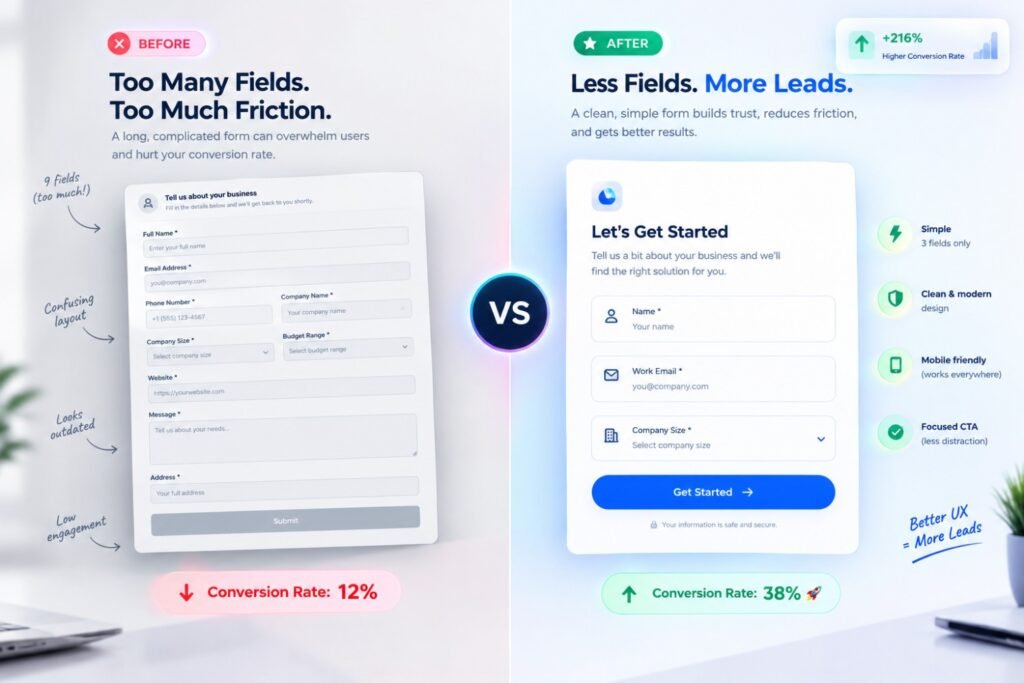
Most B2B forms ask too much too soon. Every extra field costs you leads.
- Ask for less at first. Name, work email, and one qualifying question is plenty.
- Use progressive profiling. Collect more details over time, not on day one.
- Match the offer to the page. A pricing page visitor wants a quote, not an ebook.
- Make the next step obvious. One clear call to action beats five competing buttons.
- Fix mobile. Many decision-makers first open your page on their phone.
Good UI/UX design quietly does more for conversion than most ad budgets. A confusing form will kill a great campaign.
What Is Real B2B Lead Nurturing (and How Do You Do It Well)?
B2B lead nurturing means staying helpful until the buyer is ready. It is not blasting the same newsletter to everyone. Most B2B deals take weeks or months. Stakeholders change, budgets shift, and priorities move. Nurturing keeps you in the room.
A Simple Nurture Framework
- Week 1: Deliver what they asked for, plus one related resource.
- Week 2: Educate with a short case study or common-mistakes guide.
- Weeks 3–4: Build proof with a customer story that has numbers and a clear outcome.
- Weeks 5–6: Invite action with a free audit, demo, or strategy call.
- Ongoing: Re-engage quiet leads with a real question, not “just checking in.”
Segment Before You Send
Break your list into groups based on behavior: pricing page viewers, case study readers, webinar attendees, and content downloaders only. Each group needs different messaging. One generic sequence for everyone is the most common nurturing mistake.
Automate the Boring Parts
Rule-based automation handles simple triggers well. Smarter systems adapt to behavior in real time. Our breakdown of AI workflow automation vs traditional automation shows when each approach makes sense.
Story: How One Software Firm Doubled Its SQL Rate by Fixing Follow-Up
Consider a 35-person custom software company that generated around 600 website leads a month. Sales complained the leads were junk. Marketing complained sales ignored them. When someone finally audited the process, the problem was timing, not traffic. Leads waited an average of 31 hours for a first reply. By then, many had already booked calls with competitors. The fix was simple. They added an instant auto-response, a qualifying chatbot, and round-robin routing. Response time dropped to under 8 minutes. Within three months, the MQL-to-SQL rate rose from 9% to 19%. Traffic did not change. Spend did not change. Only the speed and handoff did.
Lesson: Before buying more traffic, check how fast you respond to the traffic you already have.
What Is the B2B Lead Qualification Process?
The B2B lead qualification process separates curious browsers from genuine buyers. It protects your sales team’s time. Without it, reps chase everyone, morale drops, and good leads go cold.
MQL vs SQL: What’s the Difference?
An MQL has shown interest, like downloading something or attending a webinar. An SQL has shown buying intent and fits your ideal customer profile. Sales has confirmed they are worth a real conversation.
Common Qualification Frameworks
| Framework | What It Checks | Best For |
|---|---|---|
| BANT | Budget, Authority, Need, Timeline | Simple, fast qualification |
| CHAMP | Challenges, Authority, Money, Prioritization | Problem-focused selling |
| MEDDIC | Metrics, Economic buyer, Decision criteria, Decision process, Identify pain, Champion | Complex enterprise deals |
| GPCTBA/C&I | Goals, Plans, Challenges, Timeline, Budget, Authority, Consequences, Implications | Consultative selling |
Build a Lead Scoring Model
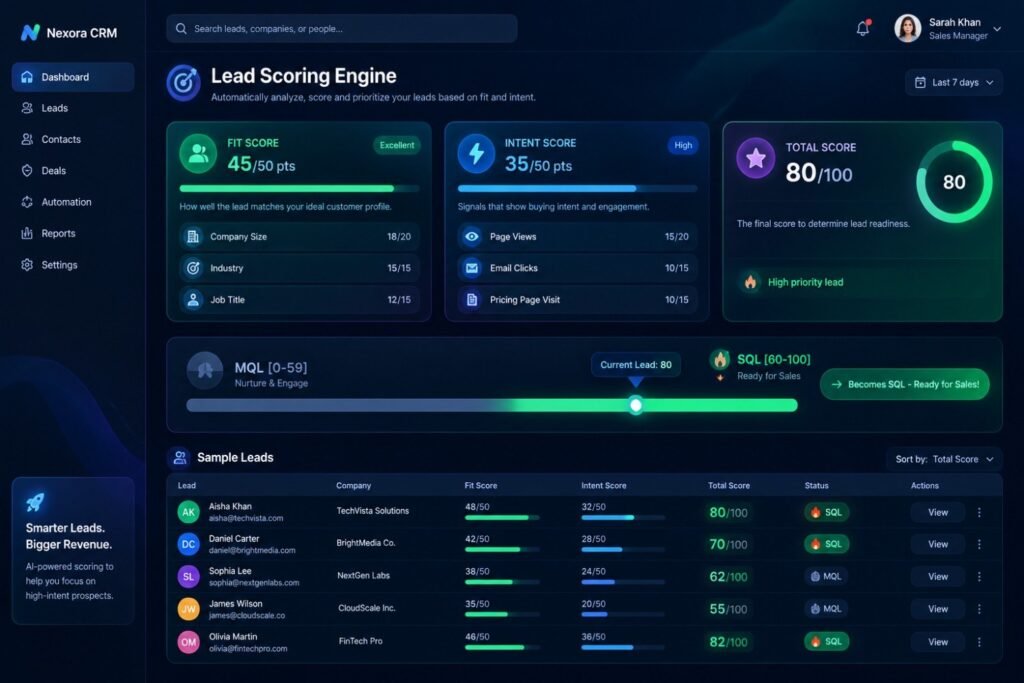
Score leads on two dimensions.
Fit score (who they are): company size, industry, job title, tech stack.
Intent score (what they do): pricing page visits, demo requests, repeat visits within a week, email replies.
Set a threshold. When a lead crosses it, route them to sales instantly. Review the model every quarter, because buyer behavior changes.
Pro tip: Add negative scoring. Students, competitors, and job seekers should lose points fast. This one change cleans up your pipeline.
How Is AI Changing the B2B Lead Generation Funnel?
AI is no longer a gimmick in funnels. It handles repetitive work so humans can focus on conversations. The SHNO statistics roundup cites a 2026 Martal Group study. It reports that businesses using AI for lead generation saw a 50% increase in sales-ready leads, with customer acquisition costs falling by up to 60%. Treat those figures as directional, not guaranteed. Results depend on your data quality and process.
Where AI genuinely helps:
- Instant qualification: Chatbots ask the right questions at any hour.
- Smart routing: Leads reach the right rep by territory, product, or deal size.
- Predictive scoring: Models learn which behaviors precede a closed deal.
- Personalized content: Emails and landing pages adapt to industry and role.
- Meeting prep: Reps get summaries of what the lead read and asked.
Where AI should not replace humans: pricing negotiations, sensitive objections, and relationship-building with senior buyers. Use it to speed up, not to impersonate. To explore custom builds, see our AI development services for chatbots, scoring models, and workflow automation.
What Are the Pros and Cons of Automating Your Funnel?
| Pros | Cons |
|---|---|
| Responds to leads in seconds, any time zone | Poor setup creates robotic, off-putting experiences |
| Reduces manual data entry for sales reps | Needs clean CRM data to work well |
| Scales without hiring at the same pace | Over-automation can feel impersonal |
| Gives consistent follow-up for every lead | Requires ongoing monitoring and tuning |
| Produces measurable, trackable results | Upfront integration cost and setup time |
Honest take: Automation magnifies whatever you already have. A good process gets better. A broken process just breaks faster.
What Tools and Budget Do You Need for a B2B Lead Generation Funnel?
You do not need an enterprise stack on day one. Start lean and upgrade when volume justifies it.
Indicative monthly tool costs (USD, 2027 estimates):
| Funnel Layer | Starter | Growth | Enterprise |
|---|---|---|---|
| CRM & Pipeline | $0–$50 | $100–$500 | $1,000+ |
| Email Automation | $20–$100 | $200–$800 | $1,500+ |
| Chatbot / Live Chat | $0–$100 | $200–$600 | Custom build |
| SEO Tools | $50–$130 | $200–$450 | $500+ |
| Paid Ads (media spend) | $1,000+ | $3,000–$10,000 | $15,000+ |
| Analytics & Attribution | $0 | $100–$400 | $1,000+ |
Prices vary by vendor and plan. Confirm current pricing before committing.
Mistake to avoid: Buying five tools that do not talk to each other. Integration matters more than features.
What Mistakes Kill B2B Funnels?
- Chasing traffic over intent. Ten thousand wrong visitors are worth less than fifty right ones.
- Slow follow-up. Leads cool off quickly. Speed is a feature.
- No shared definitions. If marketing and sales disagree on “qualified,” the funnel breaks.
- Gating everything. Too many walls make visitors leave.
- Ignoring existing customers. Referrals and upsells are often the cheapest pipeline.
- Tracking vanity metrics. Page views do not pay salaries. Pipeline does.
- Never testing. One A/B test a month beats a redesign every two years.
Real lesson: One agency reportedly spent four months building a beautiful resource hub. It generated 3,000 downloads and four meetings. Nothing connected the assets to a clear next step. They added a short “book a free audit” prompt after each download. Meetings tripled within eight weeks.
How Do You Measure and Improve Your Funnel?
Track these metrics monthly:
- Visitor-to-lead rate: Are your offers compelling?
- Lead-to-MQL rate: Is your nurturing working?
- MQL-to-SQL rate: Is your scoring accurate?
- SQL-to-close rate: Is sales converting qualified leads?
- Response time: How fast does the first reply go out?
- Cost per SQL: What does a qualified lead really cost?
- Sales cycle length: Is the funnel getting faster or slower?
A simple weekly routine: Monday, review new leads and response times. Wednesday, test one change at one conversion point. Friday, ask sales which leads were good and which were not. That 15-minute conversation teaches more than any dashboard.
For deeper analytics, our team can help with custom software development that connects your CRM, website, and reporting into one view.
How Can Software and IT Companies Use This Funnel in Real Life?
- AI Development: Qualifying chatbots, predictive lead scoring, and automated follow-ups.
- SEO: Capture problem-aware searches with technical content and comparison pages.
- Custom Software Development: Tailored CRMs, portals, and integrations that fit your sales process.
- Digital Marketing: Retargeting, LinkedIn, and email programs that move leads between stages.
- Mobile App Development: Client portals and in-app demos that deepen engagement.
- UI/UX Design: Better landing pages, forms, and navigation that reduce friction.
- IT Outsourcing: Free internal teams from maintenance so they can focus on growth.
Example: A fintech startup wanted demo bookings from CFOs. The team built a calculator showing hidden reconciliation costs. Visitors entered their numbers, saw a personalized report, and booked a call. The demo-request rate climbed from 1.8% to 4.6% in a quarter.
Best for USA, Australia, India, UK & Canada: Region-Specific Considerations
The funnel logic is global. Regulations, pricing, and buyer habits are not.
United States
- Rules: CAN-SPAM requires clear opt-out options and honest sender details.
- Buyer habit: Fast decisions, heavy demo culture, strong LinkedIn usage.
- Budget range: Typical SMB funnel spends $3,000–$10,000 per month including ads.
- Tip: Offer a short, no-pressure demo. US buyers dislike long early sales calls.
United Kingdom
- Rules: UK GDPR and PECR govern consent and electronic marketing. Always honor opt-outs.
- Buyer habit: Prefers proof, references, and measured language.
- Budget range: Roughly £2,500–£8,000 monthly for a growth-stage funnel.
- Tip: Use case studies from recognizable UK sectors like fintech, retail, and public services.
Canada
- Rules: CASL is strict. You generally need consent before sending commercial electronic messages.
- Buyer habit: Relationship-driven, bilingual in Quebec.
- Budget range: About CAD 4,000–12,000 monthly.
- Tip: Keep clean consent records. They protect you from penalties.
Australia
- Rules: The Spam Act 2003 requires consent, sender identification, and unsubscribe options.
- Buyer habit: Direct communication, and local references matter.
- Budget range: Around AUD 4,500–13,000 monthly.
- Tip: Use local time zones for chat and follow-up. Delayed replies hurt more when competitors are local.
India
- Rules: The Digital Personal Data Protection Act, 2023 shapes how you collect and process personal data. Check current rules before launching campaigns.
- Buyer habit: Price-sensitive, WhatsApp-friendly, and referral-driven.
- Budget range: Roughly ₹80,000–₹3,00,000 monthly for SMB funnels.
- Tip: Offer flexible pricing tiers and a WhatsApp contact option.
Success pattern across regions: Software firms that localize case studies, currency, and consent language often convert better than those running one global template.
How long does it take to build a working B2B lead generation funnel?
A basic version takes four to six weeks. That includes landing pages, a lead magnet, a short email sequence, and CRM tracking. Expect three to six months before results stabilize. SEO-driven funnels take longer but compound over time.
Is a funnel still relevant when buyers research alone?
Yes, but think of it as a loop, not a straight line. Buyers jump between stages, return later, and bring colleagues. Build content for each stage and let them move freely.
What is the single fastest improvement I can make?
Reduce your response time. Most teams respond in hours or days. Instant acknowledgment plus routing to the right rep often lifts conversion without new traffic.
Should small companies use lead scoring?
Yes, but keep it simple. Five or six rules are enough. A basic score for job title, company size, and pricing page visits beats guessing.
How do I know if a lead is truly sales-qualified?
Ask one question: would a rep be glad to call this person today? If marketing and sales both say yes, you have an SQL. If they disagree, tighte
Conclusion: Build a Funnel That Respects Your Buyer’s Time
A strong B2B lead generation funnel is not complicated. Attract the right people, help them honestly, respond fast, and hand over only genuinely qualified leads. Start small. Fix your response time. Define “qualified” together with sales. Add one nurture sequence, then one new channel. Measure monthly and improve steadily. You do not need perfect systems. You need consistent ones that keep working while you sleep.
Ready to grow your business with custom AI, SEO, web development, or digital marketing? 👇